Not every war is recorded in chronicles or spoken by historians. Many battles were fought long before players ever walked the land, and their stories remain etched only in broken structures, abandoned weapons, and the scattered remains of those who fell. These silent markers reveal conflicts the world never fully explained — histories preserved through absence rather than narrative. They transform the land itself into a storyteller.
This article explores how ruins, artifacts, and skeletal remains reveal forgotten tragedies, lost civilizations, and silent wars that shaped the world long before players arrived.
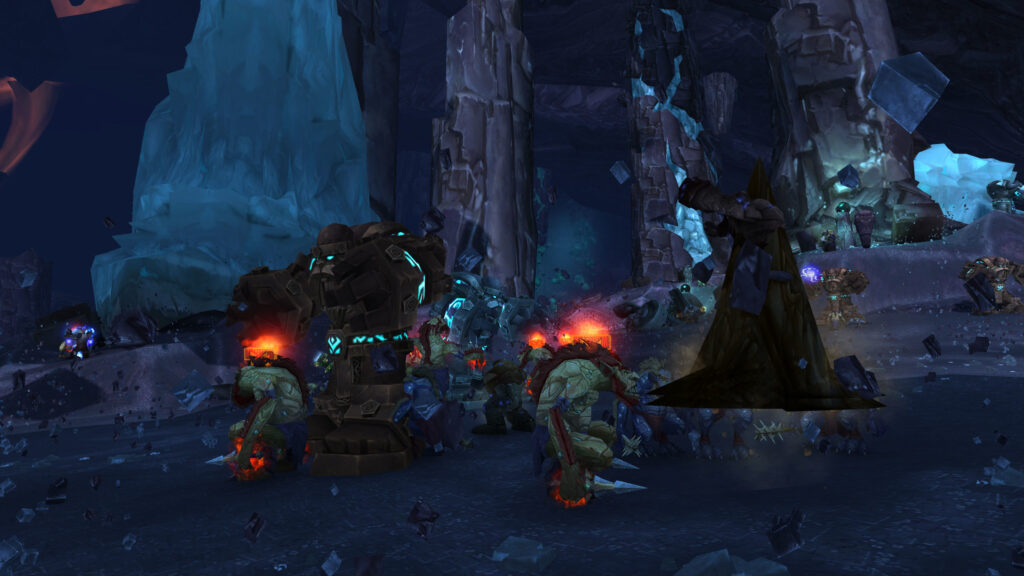
Ruins as Testament to Forgotten Civilizations
Ruins carry the weight of lost ages. Crumbling walls, fractured pillars, and half-buried structures speak to civilizations that once thrived but fell to forces often left unnamed. Their architecture hints at culture, purpose, and downfall. Each ruin is a wordless chapter in the history of Azeroth, offering clues but rarely answers. They remind players that the world existed long before their arrival — filled with triumphs and tragedies now shrouded in silence.
Ruins are the world’s memory carved into stone.
Weapons Left Behind: The Echo of Battlefields
Weapons scattered across old battle sites act as anchors of forgotten conflict. A rusted blade in a desolate field, broken arrows embedded in ancient trees, abandoned shields covered in moss — these objects represent individual stories lost to time. They evoke the chaos of battles that shaped regions but were never directly documented. Each weapon is a frozen moment, recording the struggle in a way words cannot.
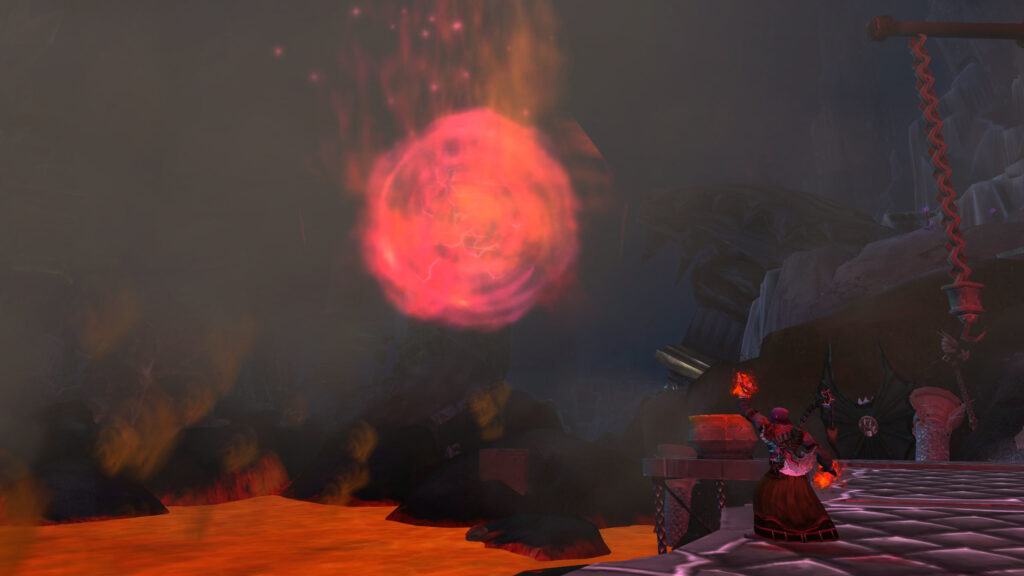
To highlight how these artifacts communicate history, here is a simple comparison:
| Artifact Type | Historical Meaning | Narrative Implication |
|---|---|---|
| Broken weapons | Intense, prolonged combat | Violent conflict with heavy losses |
| Abandoned armor | Sudden retreat or overwhelming threat | Fear, defeat, or ambush |
| Crumbling banners | Lost faction presence | Territory shift or dominance change |
| Buried siege remnants | Large-scale battles | Long-forgotten wars of conquest |
Bones That Reveal Untold Tragedies
Scattered bones often reveal the harshest stories of all. They are the most haunting reminders of conflicts erased from common memory. Mass graves hint at desperate last stands; lone skeletons suggest tragic journeys; colossal bones reveal monstrous creatures whose histories have vanished. Bones force players to confront the reality that not all stories were meant to be preserved — some were lost intentionally, others erased by time.
The dead speak through their silence.
Environmental Storytelling Through Absence
The greatest stories are sometimes told through what is not there. An emptied village, a collapsed temple, a scorched wasteland — each absence suggests a moment of violent transformation. Players become archaeologists of emotion, filling in the gaps with imagination. This form of storytelling turns exploration into discovery as players piece together the fragments of unseen conflicts.
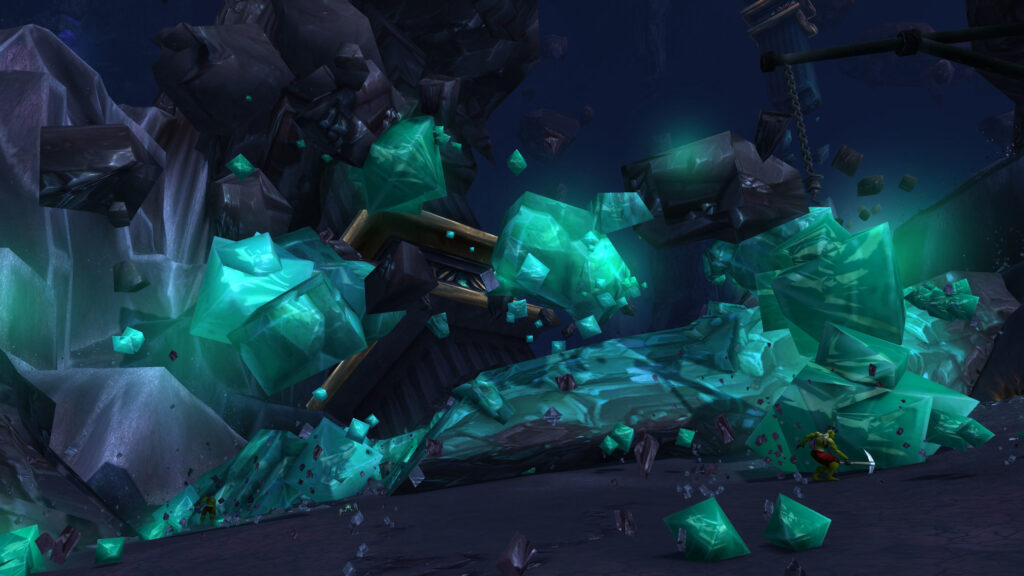
Absence becomes its own form of narrative.
Why Unseen Conflicts Make the World Feel Ancient
The presence of forgotten battles gives the world depth and age. They remind players that they are stepping into a history far larger than any questline can contain. Every ruin, weapon, and bone hints at stories beyond the scope of the game’s written narrative. These mysteries create a sense of awe — a reminder that the world is richer, older, and more complex than any single viewpoint can capture.
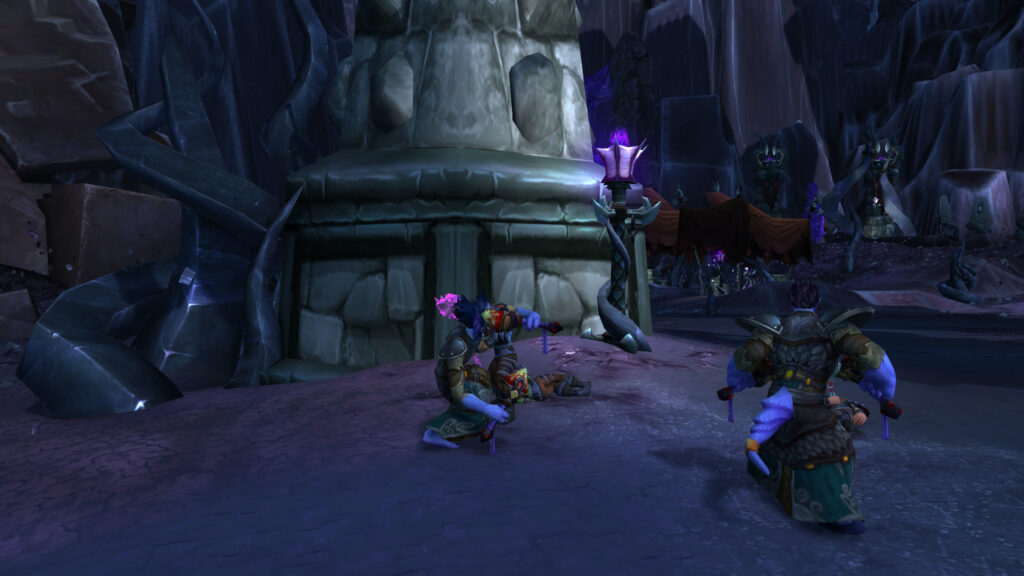
Unseen conflicts give the world its soul.
Conclusion
The world tells countless stories through ruins, weapons, and bones — silent marks of forgotten wars and lost civilizations. These remnants of unseen conflict enrich exploration, deepen worldbuilding, and reveal histories older than any recorded tale. They turn the land into a narrator, speaking through absence, decay, and the quiet echo of battles long past.
Leave a Reply