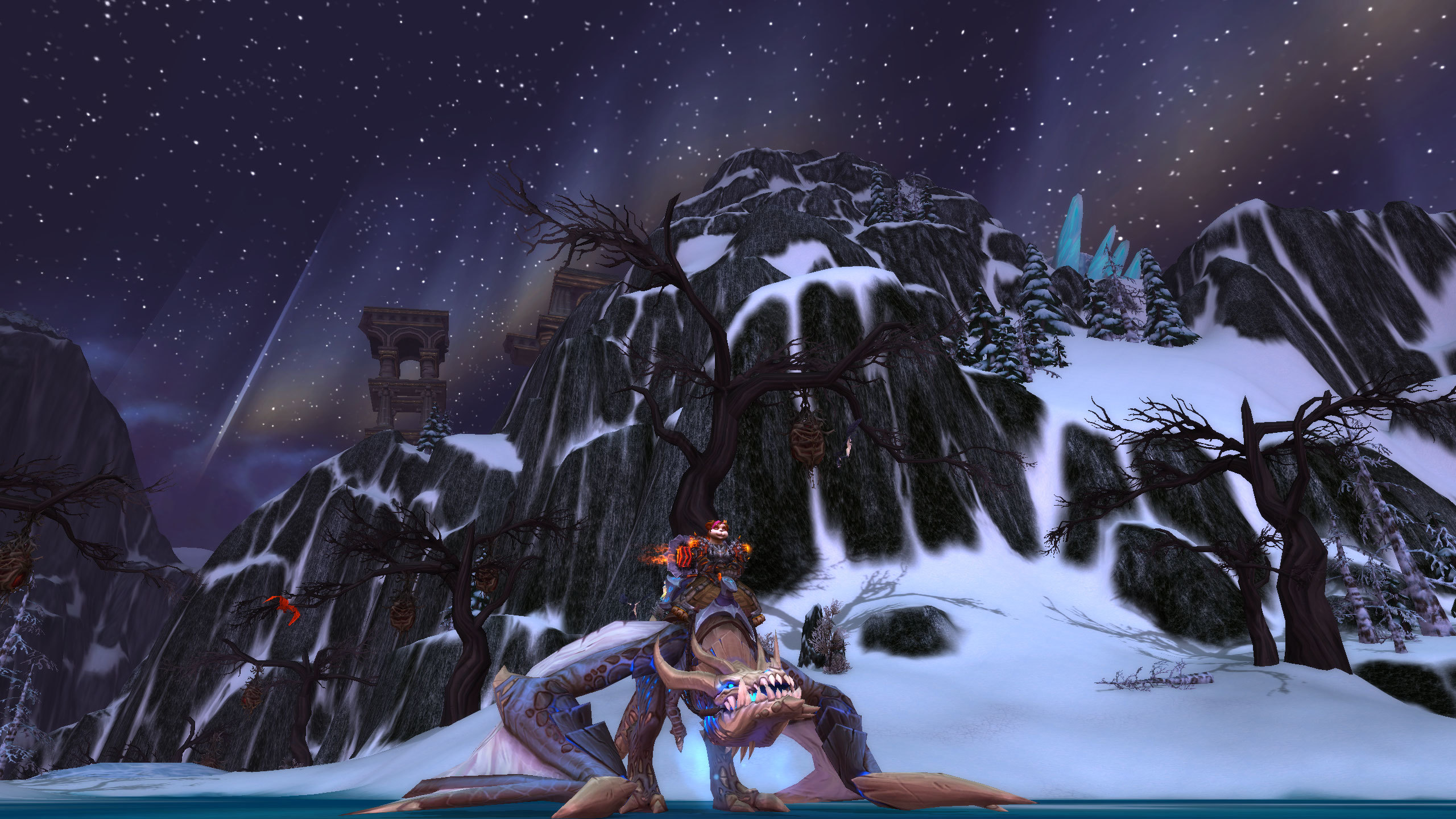
World of Warcraft possesses two decades of dungeon and raid design, but much of that content eventually becomes trivial as player power levels climb. The Timewalking system serves as a bridge, scaling old challenges back up to modern relevance. This guide analyzes how Timewalking effectively recycles history, allowing developers to keep a massive library of content active without forcing players to endure endless, stagnant repetition.

The Mechanics of Scaling Nostalgia
Timewalking works because it adjusts the player’s power to match the dungeon’s original intended difficulty, rather than simply making the player overpowered. This forces the group to respect mechanics that might have been ignored for years. Players must actually interrupt spells, manage crowd control, and follow boss strategies, which revitalizes the feel of these older dungeons. It turns a trip down memory lane into a legitimate gameplay challenge, preventing the content from feeling like a hollow victory lap.

The system also solves the problem of dead content. By rotating through different expansions, the game ensures that players are regularly exposed to the art, music, and boss design of older eras. This exposure maintains the game’s cultural literacy; newer players learn the dungeons that veterans grew up on, creating a shared knowledge base across the community. It transforms historical content into a recurring event, making the game’s timeline feel like a living rotation of experiences rather than a graveyard of abandoned ideas.
Reviving Forgotten Gameplay Loops
Beyond simple scaling, Timewalking forces players to engage with the unique design philosophies of past eras. Older dungeons often featured complex trash packs, winding layouts, and environmental hazards that modern, streamlined dungeons sometimes lack. By stepping into these instances, players are reminded of the variety that exists within the game’s design history. It acts as an involuntary history lesson, showing players how pacing and danger were handled in earlier stages of the game’s life, which in turn deepens their appreciation for the modern systems currently in place.
The Social Value of Recurring Events
Timewalking creates a sense of occasion. Because these dungeons are only available during specific weeks, they become a communal goal. Guilds and friend groups often organize Timewalking nights, leading to shared experiences that feel like a throwback to how they used to play the game. This cyclical nature is key; it builds anticipation and provides a break from the standard endgame grind, offering a nostalgic detour that is both fun and rewarding.
| System Benefit | Impact on Player Experience |
|---|---|
| Modern Rewards | Gives a reason to engage with old maps. |
| Difficulty Tuning | Ensures mechanics remain relevant and fun. |
| Content Variety | Keeps the dungeon pool feeling fresh. |
| Community Education | New players experience historical raids and dungeons. |
The Reward Loop and Player Retention

The system is bolstered by modern currency loops that allow players to earn current-tier rewards. This creates a compelling reason for high-level players to participate in “low-level” content without feeling like their time is wasted. It effectively flattens the distinction between new and old content, encouraging a healthy ecosystem where all parts of the game have a potential role to play in the player’s progression.
Leave a Reply