
World of Warcraft’s gameplay has evolved dramatically over the years, with shifts in both PvE and PvP metas redefining how the game is played. Some changes were driven by balance patches, new expansions, or player discoveries that reshaped strategies forever. Whether through class reworks, ability tuning, or entirely new systems, these major meta shifts have left a lasting impact on WoW’s history.
Wrath of the Lich King – Death Knights Dominate PvE and PvP
The launch of Wrath of the Lich King introduced Death Knights, the game’s first hero class. From the moment they were added, they completely reshaped both PvE and PvP.
In PvE, Unholy and Blood Death Knights became top-tier tanks and damage dealers due to their powerful self-healing, AoE control, and high survivability. The presence of Death Grip allowed for unprecedented control over enemy positioning in dungeons and raids.
In PvP, Frost Death Knights became one of the most oppressive melee classes in history. Their ability to apply heavy slows, sustain high burst damage, and prevent enemy movement made them a nightmare to deal with. Combined with strong defensive cooldowns, they dominated both 2v2 and 3v3 arena brackets.
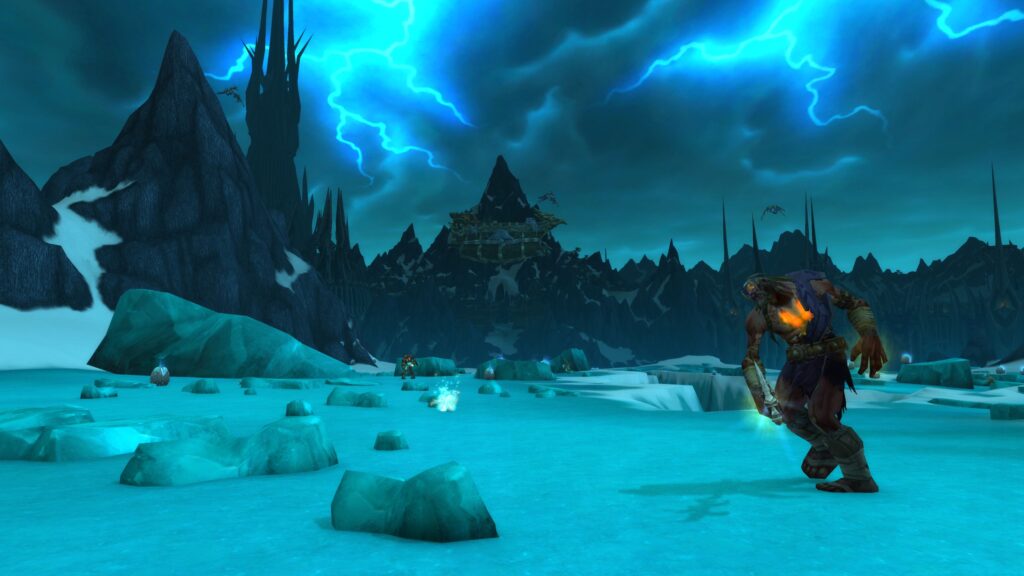
The overwhelming power of Death Knights led to major nerfs over the course of Wrath, but their introduction remains one of the biggest meta shifts in WoW history.
Cataclysm – The Rise of Rated Battlegrounds
Cataclysm introduced one of the biggest changes to organized PvP with the addition of Rated Battlegrounds (RBGs). Unlike traditional battlegrounds, RBGs provided a ranked progression system, allowing high-end PvP players to compete for rewards and titles.
This shift changed the way PvP players approached large-scale combat. Instead of focusing purely on Arena compositions, teams had to develop strategies around maps, flag captures, and base control.
The introduction of RBGs also made certain specs far more viable in competitive PvP. Guardian Druids and Protection Warriors, which had previously been overlooked in high-end PvP, suddenly became core members of teams due to their ability to tank objectives.
Mists of Pandaria – The Era of Hybrid Healing
Mists of Pandaria was a turning point for hybrid classes in both PvE and PvP. For the first time, non-healer specs like Shadow Priests, Enhancement Shamans, and Retribution Paladins gained powerful off-healing abilities that allowed them to sustain themselves and their teammates.
In PvE, this shift meant that raids could rely less on dedicated healers in certain encounters. DPS hybrids could contribute meaningful healing without sacrificing too much damage.
In PvP, the rise of hybrid healing led to incredibly tanky arena compositions. Shadow Priests with Vampiric Embrace and Healing Stream Totem from Enhancement Shamans made certain comps incredibly difficult to kill. This led to Blizzard heavily nerfing hybrid healing in later patches.
Legion – The Overhaul of Talent Trees and Artifact Weapons
Legion completely reworked how players customized their characters with the introduction of Artifact Weapons and a streamlined talent tree system.
Before Legion, talent trees provided incremental stat bonuses and minor ability upgrades, but Blizzard’s overhaul made each choice far more impactful. Players now had a simplified but meaningful set of choices, leading to more distinct playstyles.
Artifact Weapons further changed the game by giving every spec its own powerful weapon with unique abilities. These weapons were so influential that entire playstyles were built around them. For example, Fire Mage became a dominant DPS due to Artifact traits that boosted Ignite damage significantly.
In PvP, the shift to PvP-specific talents allowed for more balanced tuning, making abilities work differently in PvE and PvP for the first time. This helped prevent game-breaking synergies from making certain specs overpowered in arenas while still keeping them strong in PvE.
Shadowlands – The Covenant System and Class Identity
Shadowlands introduced one of the most controversial systems in WoW’s history: Covenants. While intended to add flavor and customization to classes, they instead created massive balance problems.
Each Covenant granted players unique abilities, and in many cases, the difference between the best and worst choices was extreme. For example, Venthyr Paladins became mandatory for high-end raiding and PvP due to the power of Ashen Hallow, while Kyrian Warriors dominated damage charts with Spear of Bastion.
Because Covenants were initially difficult to change, players felt locked into their choices, causing frustration when balance patches shifted the meta. Eventually, Blizzard allowed players to freely swap Covenants, but the damage to player agency had already been done.
Despite its flaws, the Covenant system forced Blizzard to rethink long-term character progression, leading to a more flexible design philosophy in later expansions.
Dragonflight – The Return of Talent Trees
With the release of Dragonflight, Blizzard made one of the biggest meta shifts in WoW’s history by bringing back a fully revamped talent tree system. Instead of the streamlined talents from previous expansions, players could once again create unique builds tailored to their playstyles.
This shift reintroduced depth to character customization, allowing players to choose between different playstyles within the same spec. It also allowed Blizzard to adjust balance more effectively, tuning specific talents instead of entire classes.
In PvP, the new talent system made certain abilities situational rather than mandatory, leading to a more dynamic arena meta where matchups depended more on skill and less on cookie-cutter builds.
Conclusion
WoW’s meta has seen dramatic shifts over the years, from the introduction of Death Knights in Wrath to the return of talent trees in Dragonflight. Each expansion has brought its own changes that reshaped how PvE and PvP function, forcing players to adapt to new systems, abilities, and class designs.
Whether it was the rise of Rated Battlegrounds, the dominance of hybrid healing in Mists of Pandaria, or the impact of Artifact Weapons in Legion, these moments have defined WoW’s ever-evolving gameplay.
With each new expansion, players can expect even more shifts in both PvE and PvP metas, keeping the game fresh and challenging for years to come.
Home
Leave a Reply